Guinea Worm Nears Global Eradication With 10 Cases in 2025
Guinea worm eradication advances toward global completion as only 10 human cases were reported worldwide in 2025, according to the Carter Center.
Arthur Shelbi

Guinea Worm Eradication Nears Global Completion with 10 Cases Reported in 2025
Guinea worm disease is closing in on global eradication, with only 10 human cases reported worldwide in 2025, according to the Carter Center.
This milestone highlights a rare achievement in public health: steering a disease toward disappearance from the planet.
The Carter Center notes that the transmission chain has been interrupted in most places where the disease once thrived, bringing the prospect of a world without guinea worm closer to reality.
To understand why this matters, it's worth tracing where the effort began and what the world hoped to fix. The eradication program began in 1986, when there were about 3.5 million cases worldwide. Since then, health partners have worked to interrupt the parasite's life cycle by ensuring safe drinking water, providing reliable sources of clean water, and teaching communities how the disease spreads. The World Health Organization has coordinated these efforts worldwide, aiming to break the cycle that lets guinea worm move from water to people. For background on the current status and guidance, see the WHO Dracunculiasis fact sheet. WHO
Guinea worm disease has a deceptively simple life cycle, which is why a few targeted steps can curb transmission. People drink water filled with tiny crustaceans called copepods that host the guinea worm larvae. Inside a person, the larvae mature into long, threadlike worms that can reach up to a meter in length. Over weeks, the worm migrates toward the skin and then emerges, often painfully, through a blister. In the field, health teams limit transmission by filtering water through cloth to remove the copepods, providing safe water sources, and teaching communities to keep water clean. When the worm surfaces, clinicians manage containment at case centers and guide patients through a careful withdrawal to avoid secondary infection. For a concise overview of the disease and how it spreads, see the CDC Guinea worm disease page. CDC
The practical upshot is that small, steady actions in water safety and surveillance can have outsized effects on a disease that looks simple but can cause months of disability.
Lifecycle, transmission, and field interventions
In Ghana, containment centers show how fieldwork translates into patient care. A photograph from the Savelugu Case Containment Center shows the worm being managed with care, wrapped around a moist bandage to prevent breaking and infection. This level of practical attention reflects a broader philosophy: stop transmission at every link and prevent complications for the people affected. The image credit for that report comes from Getty and photographer Louise Gubb, highlighting the lived reality of the endgame in some communities.
Impact and ongoing vigilance
Why should readers care about this progress beyond a headline? If guinea worm is eradicated, communities would be freed from a disease that keeps people away from work and school, disrupts daily life, and requires weeks of medical care. This progress shows how targeted, low-tech steps can pay off with big public health benefits. It also reminds us that finishing the job in disease control isn't a single intervention but sustained, coordinated work across water systems, health care, and community engagement. For readers who want to explore the broader scientific and policy context, Nature has ongoing coverage and analyses that show how eradication programs unfold in practice. Nature
Looking ahead, the goal stays within reach but will require ongoing vigilance. The global health community continues to stress surveillance for new cases, rapid containment to stop transmission, and steady investments in safe water and community health education. If the current trajectory holds, guinea worm could become only the second disease ever eradicated, a milestone that would ripple through families, health systems, and public policy. The road ahead is a reminder that science moves from discovery to lasting public good only with sustained effort and global cooperation.
WHO | CDC | Carter Center | Nature
Continue your reading

TeraWave Space Internet Expands Global Connectivity
Blue Origin unveils TeraWave, a space-based internet backbone designed to extend global connectivity to remote regions, ships at sea, and disaster zones.
Discovery: EU wind and solar power tops fossil fuels in 2025
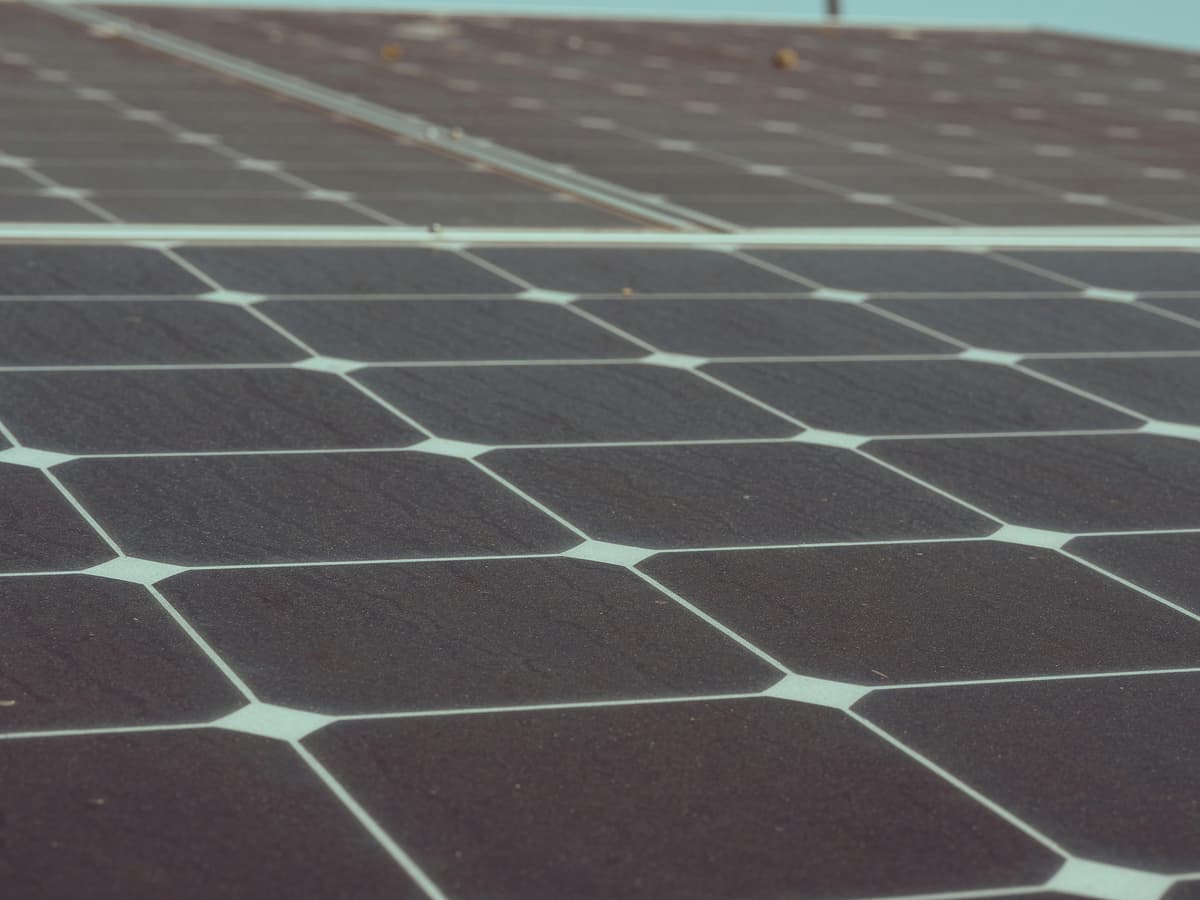
Ember finds wind and solar supplied 30% of EU power in 2025, beating fossil fuels at 29% and with hydro, driving renewables toward half of EU electricity.