Discovery: EU wind and solar power tops fossil fuels in 2025
Ember finds wind and solar supplied 30% of EU power in 2025, beating fossil fuels at 29% and with hydro, driving renewables toward half of EU electricity.
Arthur Shelbi
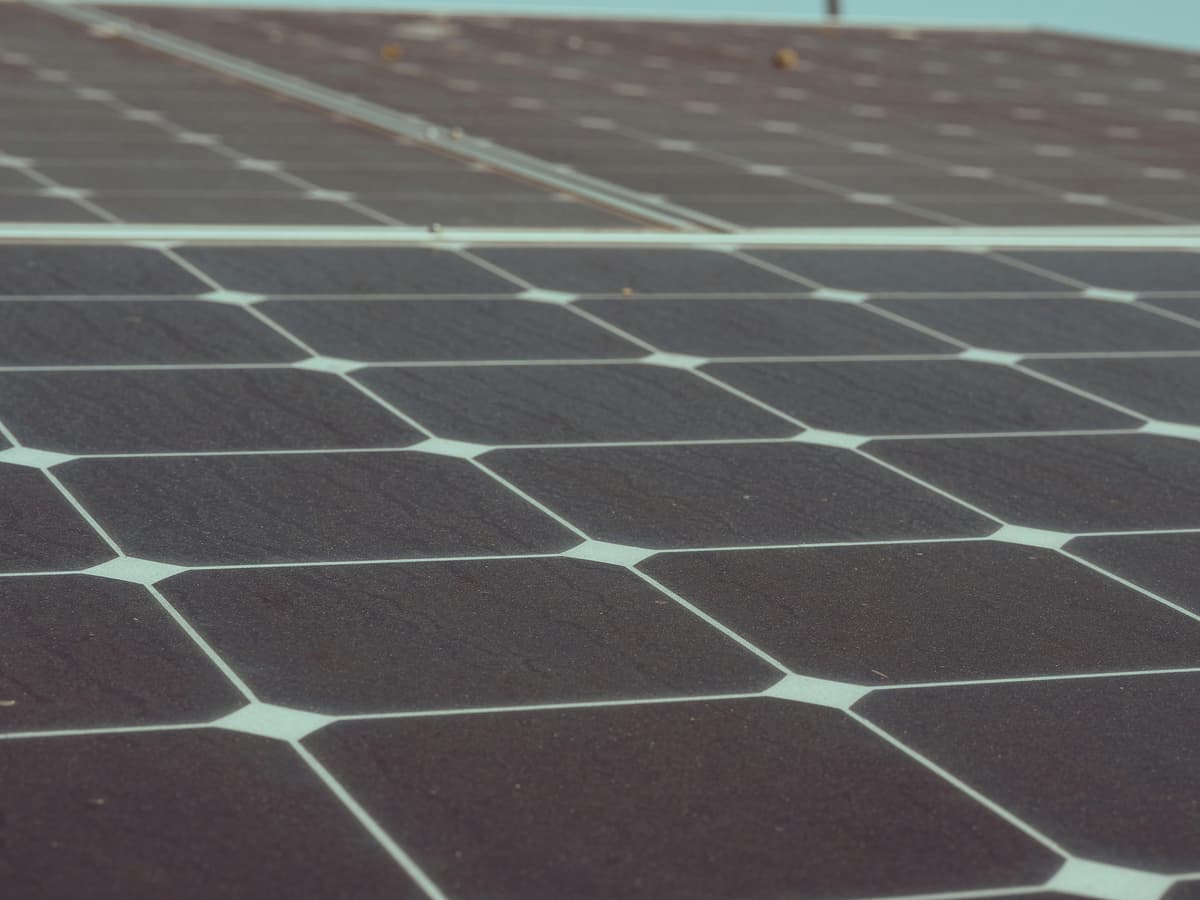
Ember Analysis: Wind and Solar Surpass Fossil Fuels in EU Power 2025
Across Europe, wind and solar surpassed fossil fuels for the first time last year, a sign of how quickly the continent is reshaping its electricity mix. Ember's analysis shows wind and solar together supplied 30 percent of EU power in 2025, while fossil fuels accounted for 29 percent. When hydro is included, renewables make up nearly half of EU electricity in 2025. Published in January 2026, the finding highlights how solar is expanding and how clean power is becoming a bigger everyday presence. Ember notes that the shift is largely driven by solar, which is growing faster than any other electricity source.
What the 2025 data show
In 2025, wind and solar together supplied 30 percent of EU power, while fossil fuels accounted for 29 percent. When hydro is included, renewables make up nearly half of EU electricity in 2025. The data were published in January 2026. The analysis also highlights that solar is expanding and clean power is becoming a bigger everyday presence across Europe. Ember notes that the shift is largely driven by solar, which is growing faster than any other electricity source.
Why this matters for Europe
Why this matters goes beyond a single year of numbers. Moving away from fossil fuels cuts exposure to volatile fuel prices and strengthens Europe’s energy security as climate goals stay in view. The EU has long aimed to decarbonize its electricity sector, and the new data point to a clear shift toward cleaner power even as policies and markets evolve. For readers, the trend means a more resilient grid that draws more of its energy from wind and sun rather than imported fuels. For a broader context, you can explore EU energy policy and statistics on the European Commission’s energy pages and Eurostat energy statistics.
Methodology and context
From a methodological perspective, Ember’s analysis draws on grid operator data and national statistics for 2025, explicitly counting hydro in the renewables bucket to reflect total clean-energy output. The result is a clearer view of how a system that once leaned on fossil generation is now steadier thanks to wind and solar. The numbers also reflect variability: droughts can reduce hydropower, which means the grid must lean on other clean sources or flexible power such as gas-fired plants during dry spells. The shift toward renewables is real and substantial, but it isn’t a straight line; it depends on weather, technology, and policy choices. For a broader framework, you can consult the latest energy overviews on the European Commission’s energy pages and related analyses from Ember.
What this means for the near future is a deeper integration of wind and solar into everyday power supply, along with the need for better storage, grid upgrades, and demand management to keep reliability high. While the 2025 data show a shift beyond fossil fuels, droughts and gas-led peaking remind us that a clean energy regime still needs solid infrastructure and prudent planning. The takeaway isn’t a final victory lap but a clear turning point that points toward continued investment in renewables, stronger transmission, and smarter energy systems. As researchers and policymakers digest these findings, the focus will be on keeping reliability up while holding costs in check for households and industries. For ongoing coverage and data, see the Yale Environment 360 digest of Europe’s wind and solar transition here.
Continue your reading

Discovery Google Water Rights Bid Near Mount Hood Sparks Debate
Google's bid to control water rights near Mount Hood raises questions about public rules and access as privatization could affect ratepayers.

Discovery StormWatch Maps ZIP Forecasts to Practical Prep Actions
StormWatch translates ZIP-coded weather data into an actionable household prep plan, showing current conditions, 12-hour and 7-day forecasts, a prep checklist.