Discovery: Hull 096, 130m Electric Ship, World's Largest
130-meter electric ship Hull 096, built by a Tasmanian boatbuilder, demonstrates scalable propulsion powered entirely by batteries for long-distance shipping.
Arthur Shelbi
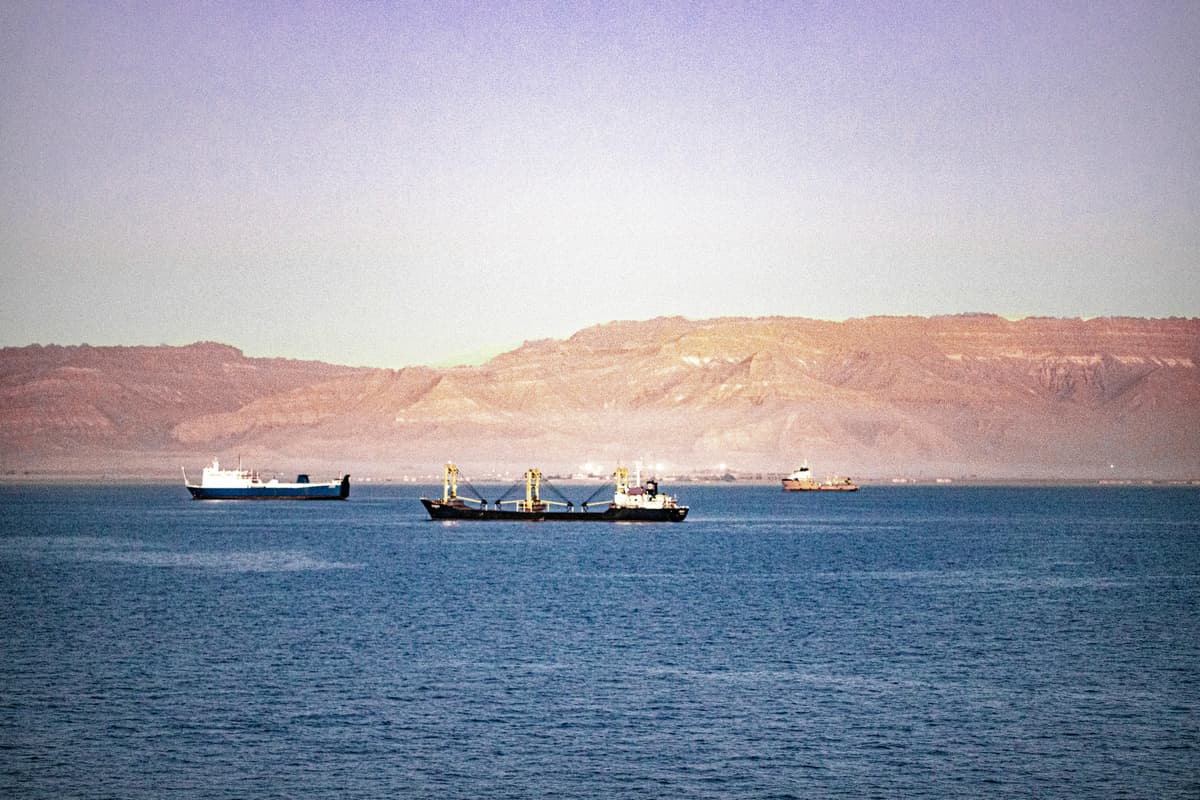
Tasmanian Boatbuilder Unveils Hull 096, World's Largest Electric Ship
A Tasmanian boatbuilder has unveiled Hull 096, the world’s largest electric ship, a 130-meter-long vessel powered entirely by batteries. The launch marks a milestone in marine electrification, showing that a ship of this scale can be propelled by stored electrical energy rather than fossil fuels. The achievement shows how far battery technology and ship design have progressed, and it gives a real, large-scale example of decarbonizing shipping.
Context matters because maritime transport remains a big source of emissions and pollution. The shift toward electric propulsion is driven by the need to cut greenhouse gases and air pollutants tied to traditional diesel engines. While one 130-meter vessel won't solve shipping's footprint, Hull 096 demonstrates that battery systems can be scaled up to power very large ships, not just small ferries or coastal craft. That matters for policymakers, port authorities, and ship operators who are weighing how to pair batteries with charging networks and other low-carbon technologies.
How Hull 096 Works
The ship relies on a sizable onboard battery array to power the propulsion system, storing energy on board and using it to move via electric motors. The layout aims to balance range, speed, and safety in varying sea states, and port or shore power allows recharging between trips. In effect, Hull 096 is a giant power bank that can sustain long passages at sea without burning fossil fuels.
Broader Implications for Maritime Emissions
This sits in a broader push to electrify ships and cut maritime emissions worldwide. Large-scale electric ships have often been talked about as suitable mainly for short routes or specialist services; Hull 096 shows that long-distance, ocean-going operation is within reach when you have the right mix of batteries, power electronics, and thermal management. Industry observers note that while it proves a design possibility, it also raises questions about safety protocols, long-term battery life, and the need for charging and maintenance infrastructure at ports.
The Tasmanian boatbuilder behind the project frames Hull 096 as a milestone, not a finished blueprint. Sea trials and ongoing testing will reveal how the battery system performs in different sea states, how quickly it recharges, and how long the batteries last under routine service. Researchers and engineers emphasize reliable battery management, fault tolerance, and rigorous safety standards as the project scales up from laboratory concepts to real-world operation.
Outlook and Next Steps
Looking ahead, Hull 096 raises a number of questions researchers and industry will need to answer. How much energy density can fit into a ship this size, and at what cost? What charging networks and grid support will ports require to keep such vessels moving efficiently? And how will larger ships adapt maintenance regimes to monitor battery health over many years? Those answers will shape when battery-powered cargo and passenger ships become common and how fast ports adapt their infrastructure.
For everyday life, the practical takeaway is real even if subtle. A 130-meter electric ship shows that cleaner maritime travel isn't just a niche experiment; it's a scalable engineering challenge being tackled in real shipyards. If this approach holds up, it could influence how goods move around the world and trim the climate and air-quality impacts of global trade over time. The next phase will show how close Hull 096 is to becoming a model for future fleets and what it takes to turn a bold prototype into routine service.
Guardian coverage tracks the vessel from launch through early testing and provides the official framing of Hull 096 as a milestone in marine electrification. For readers seeking broader context on policy and standards, International Maritime Organization offers a global framework for shipping energy efficiency and electric propulsion that guides projects like Hull 096. IMO The engineering and safety standards are further informed by marine industry testing and certification bodies such as Lloyd's Register, which publishes guidance on battery safety and electrical systems for ships. Lloyd's Register For readers interested in the science side of energy storage and batteries more broadly, authoritative outlets like Nature and Science provide context on advances in battery chemistry, energy density, and safety that underpin this kind of maritime application. Nature Science
Continue your reading

Discovery Google Water Rights Bid Near Mount Hood Sparks Debate
Google's bid to control water rights near Mount Hood raises questions about public rules and access as privatization could affect ratepayers.

Discovery StormWatch Maps ZIP Forecasts to Practical Prep Actions
StormWatch translates ZIP-coded weather data into an actionable household prep plan, showing current conditions, 12-hour and 7-day forecasts, a prep checklist.